


















Staying Safe and Alert in Chilly Conditions
Venturing to the firearms range during winter presents a unique set of challenges and risks. While focus, discipline, and safety consciousness are always required, cold weather compounds these demands with the ever-present threats of hypothermia and frostbite. Whether you are a seasoned shooter or a newcomer to outdoor ranges, understanding how to recognize, prevent, and respond to cold weather injuries is essential not only for your own well-being but also for maintaining a safe and effective shooting environment for everyone.
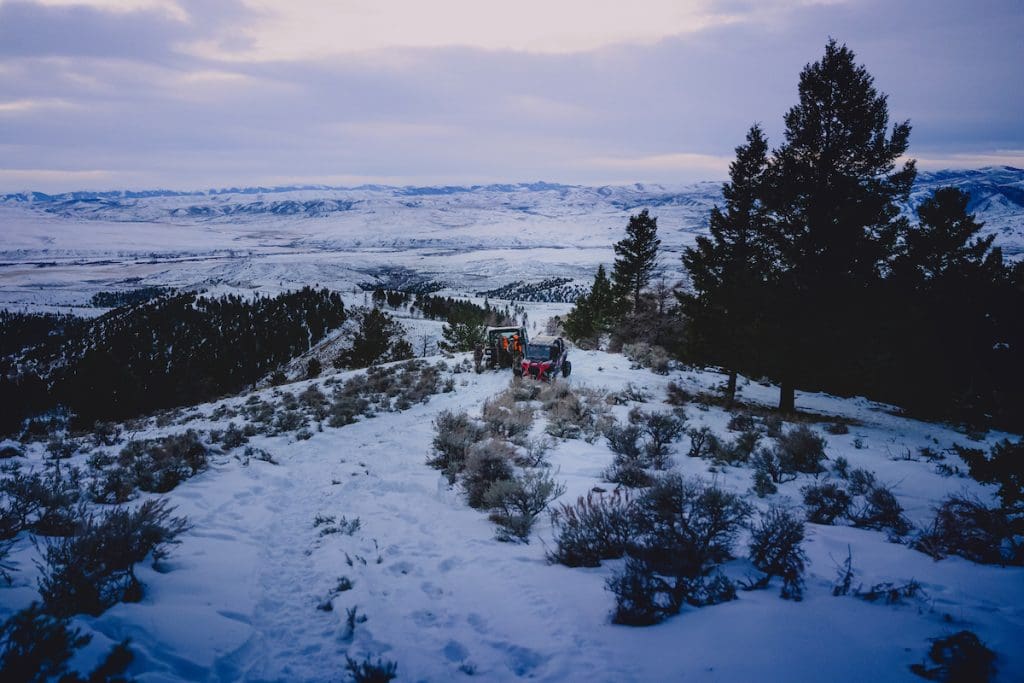
This comprehensive guide will explore the science behind hypothermia and frostbite, share practical prevention tips, discuss key equipment considerations, and outline appropriate response actions, specifically tailored for those spending extended periods at the firearms range.
Understanding the Risks
What is Hypothermia?
Hypothermia occurs when the body loses heat faster than it can produce it, causing the core body temperature to drop below 95°F (35°C). This can happen quickly in cold, wet, and windy environments—precisely the conditions found at outdoor shooting ranges in winter.
Initial symptoms: Shivering, cold pale skin, fatigue, confusion, slurred speech.
Advanced symptoms: Shallow breathing, weak pulse, drowsiness, loss of coordination, unconsciousness.
What is Frostbite?
Frostbite is a localized injury caused by freezing of the skin and underlying tissues. Exposed fingers, toes, noses, ears, and cheeks are particularly susceptible—places often left vulnerable when manipulating firearms or listening for instructions on the range.
First signs: Numbness, tingling, or stinging sensations in the affected area.
Progression: Skin turns white or grayish-yellow, feels unusually firm or waxy, and eventually, blisters may form.
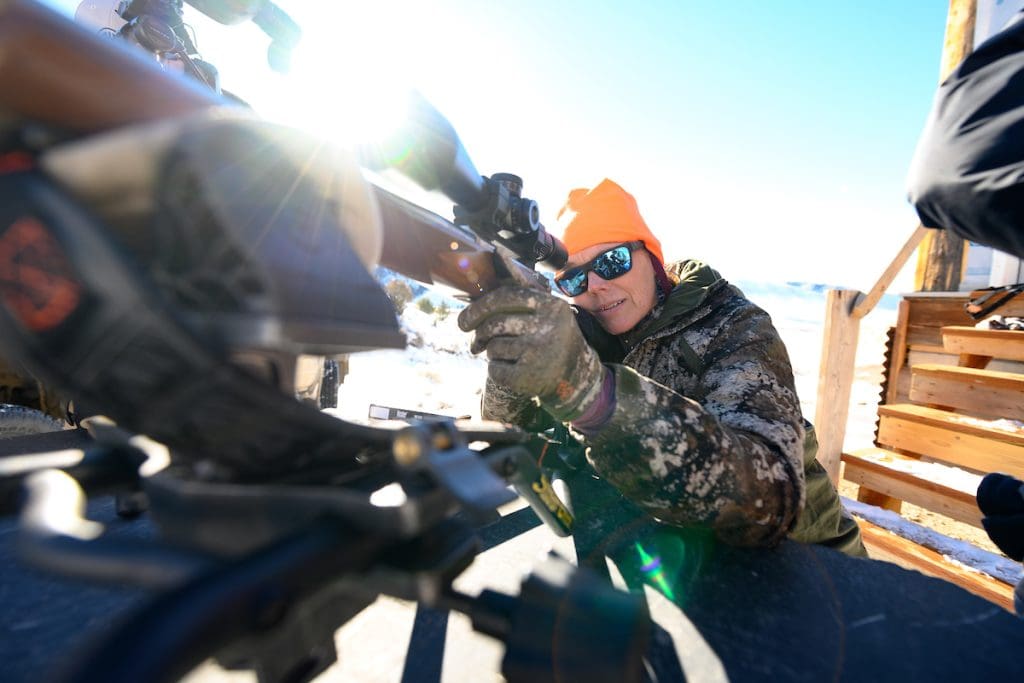
Why Are Firearms Ranges High-Risk in Cold Weather?
Outdoor shooting ranges expose participants to the elements for extended periods. Unlike many other outdoor winter activities, time at the range often involves standing still or minimal movement, which reduces the body’s ability to generate heat. The need for dexterity in the hands can also discourage proper glove use, further increasing frostbite risk.
Key risk factors include:
- Prolonged exposure to wind and cold temperatures
- Periods of inactivity (little muscle movement to generate warmth)
- Handling metal firearms and ammunition, which quickly conduct cold
- Potential for wet conditions from snow, slush, or rain
- Distraction from the cold due to focus on shooting or instruction
Preparation: Gear and Clothing
Adopt a layered clothing system to maximize warmth while allowing for freedom of movement and firearm safety:
- Base layer: Moisture-wicking materials (synthetic or merino wool) keep sweat away from your skin.
- Mid layer: Insulating fabrics such as fleece or down trap body heat.
- Outer layer: Windproof and waterproof jackets and pants shield you from the elements.
Avoid cotton, which absorbs moisture and loses insulation properties when wet.
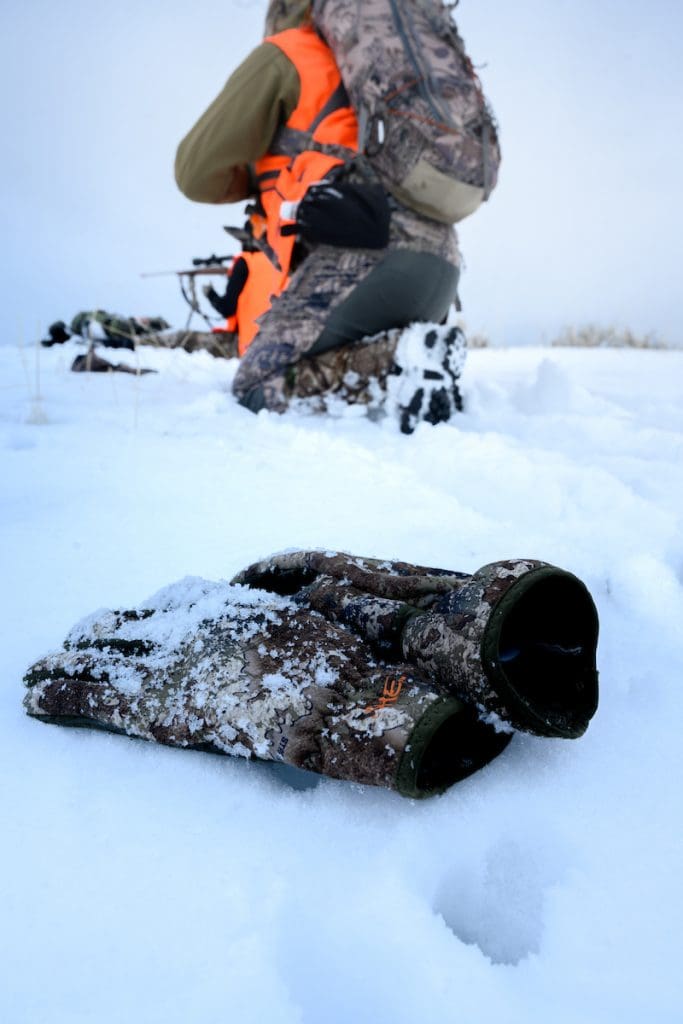
Gloves, hats, and warm socks are crucial. Hand and feet warmers are an inexpensive lifesaver. They can be activated and used in pockets to warm other parts of the body in addition to your hands and feet. Consider thin liner gloves. Bring extra pairs in case your hands get wet. For your feet, invest in insulated, waterproof boots and high-quality wool socks. A warm hat that covers the ears is essential, as significant heat is lost through the head.
Other Essential Items
- Hand and foot warmers for pockets and boots
- Thermal blankets or emergency bivvies in your gear bag
- Insulated seat pads or mats to avoid sitting or kneeling on cold, wet surfaces
- Plenty of high-energy snacks and warm drinks in a thermos
On the Range: Staying Vigilant
Monitor Your Health and Your Buddy’s
Implement a buddy system—regularly check in with your shooting partner for signs of cold stress. Many victims of hypothermia and frostbite don’t realize the seriousness of their symptoms until it’s too late.
Plan to spend time in a heated shelter or vehicle at regular intervals. Do jumping jacks, march in place, or swing your arms to boost circulation when possible.
Change out of wet gloves, socks, or other clothing promptly. Even slight dampness accelerates heat loss.
Direct contact with metal surfaces—firearms, benches, targets—increases risk of frostbite. Use gloves when handling equipment, and avoid placing bare skin on cold metal.
Fuel your body with high-energy snacks and stay hydrated. Dehydration increases vulnerability to cold injuries, and you may not feel as thirsty in cold weather.
Recognizing and Responding to Cold Injuries
Hypothermia: What to Do
- Move the person to a warm, dry place as quickly as possible.
- Remove any damp or wet clothing and replace with dry, insulated layers.
- Provide warm, non-alcoholic, non-caffeinated beverages if the person is alert.
- Use blankets, sleeping bags, or even your own body heat to provide warmth.
- Seek medical attention immediately, especially if symptoms are advanced.
Frostbite: What to Do
- Move the individual to a warm environment.
- Remove any wet clothing or jewelry near the affected area.
- Warm the area gradually—immerse in warm (not hot) water, or use body heat. Avoid direct heat from heating pads or fires.
- Do not rub or massage frostbitten skin, as this can cause further damage.
- Keep the area elevated if possible and seek medical attention promptly.
Planning Ahead: Range Protocols and Emergency Preparedness
Range officers and organizers should implement temperature and wind chill cutoffs, mandatory warm-up breaks, and protocols for monitoring participants. Keep a well-stocked first aid kit with supplies for treating cold injuries.
Hold briefings before each range session to review signs of hypothermia and frostbite, clothing requirements, and emergency procedures. Make sure everyone knows the location of heated shelters and emergency equipment.
Have a plan for quick evacuation and medical assistance. Ensure cell phones are charged and there is a reliable method for contacting emergency services.
Braving the cold at the firearms range can be rewarding and invigorating, but only when approached with preparation and respect for the environment. By understanding the dangers of hypothermia and frostbite, layering appropriately, staying vigilant, and responding quickly to warning signs, you can ensure that your focus remains on safety, skill development, and enjoyment. With the right knowledge and gear, every trip to the range this winter can be both productive and safe.
SLG2, Inc may receive a small commission from any links in this article.