





















When winter sets in and the range starts to empty out, it’s easy to feel like archery goes into hibernation. Cold fingers, short days, and busy schedules can make it tempting to hang the bow up and promise yourself you’ll “get back to it” in the spring. I used to think that way too. Over time, though, I’ve learned something important: winter isn’t a break from archery. It’s where some of the most meaningful improvements happen.
What Winter Has Taught Me About Archery
Every year, once hunting season wraps up and leagues slow down, I notice a shift. Bows get stored away. Practice becomes inconsistent. And when spring finally arrives, many archers feel rusty, frustrated, and surprised that their accuracy isn’t where they left it.
What I’ve learned is that winter plays a huge role in how we perform the rest of the year. Without the pressure of competition or hunting season, winter gives us the space to slow down and really work on our shot. It’s when bad habits surface, fundamentals get rebuilt, and confidence quietly grows.

In this article, I want to share how I approach archery during the winter months and why staying engaged can make a big difference when warmer seasons return.
Winter Changes the Way We Practice and That’s a Good Thing
There’s something about winter that naturally forces us to be more intentional. We shoot fewer arrows, but we pay closer attention to each one. During winter, my focus shifts almost entirely to form. I spend more time thinking about grip pressure, anchor points, alignment, and follow-through than I do about where the arrow lands. That kind of attention is hard to give yourself during busy seasons, but winter makes it possible.
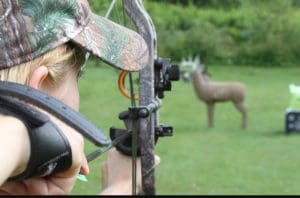
One of the first things I do in winter is move my target closer. Sometimes it is much closer. Shooting at five or ten yards might not feel exciting, but it’s incredibly effective.
At close range, there’s nowhere for mistakes to hide. If your grip changes, you’ll feel it. If your anchor floats, you’ll notice. If your release isn’t clean, it shows up immediately. Winter gives us permission to work on those details without worrying about scores or distance.
I also spend time shooting blank bales, aiming at nothing at all. This takes the pressure off completely and allows me to focus solely on executing a good shot. It’s simple, quiet practice, but it builds strong muscle memory and reinforces a consistent shot process.
Winter practice doesn’t have to look the same for everyone. Not everyone has access to an indoor range, and not everyone wants to brave freezing temperatures outdoors. Over the years, I’ve learned that even short, imperfect practice sessions still matter. A safe indoor setup in a basement or garage can be enough to work on form. Even just a few yards allow you to focus on draw, anchor, and release. The goal isn’t distance—it’s consistency.
Winter is also a good time to practice in the clothing you’ll shoot in when it’s cold. Layers can change how your bow feels, how your string clears, and how easily you reach your anchor point. Practicing with bulkier clothing now helps prevent surprises later during archery season.
Strength and Endurance Matter More Than We Think
Archery uses specific muscles that don’t always get enough attention. During winter, when shooting volume might be lower, I focus more on maintaining strength and endurance. Simple exercises with resistance bands or light weights go a long way. Shoulder stability, back strength, and core control all help keep form solid, especially as you get tired. I’ve seen many archers struggle in early spring because their muscles simply aren’t ready for longer practice sessions.
Winter conditioning helps prevent that. Even short, consistent workouts can keep your shot feeling strong and controlled.
Winter Is the Best Time to Learn Your Equipment
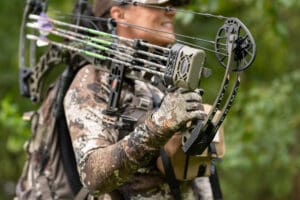
With fewer demands on your bow, winter becomes the perfect time for maintenance and tuning. I use this season to inspect strings, check timing, make small adjustments, and really pay attention to how my bow responds. When you’re not rushed, you can experiment a little. You can learn what small changes feel like and how they affect arrow flight. That knowledge builds confidence, and confident archers shoot better. Understanding your equipment also means you’re less likely to panic when something feels off later in the year. Winter teaches patience and problem-solving when it comes to your equipment.
Practical Ways to Stay Sharp All Winter
Winter archery doesn’t need to be complicated. A few consistent habits can make a big difference:
- Shoot shorter sessions and focus on quality
- Keep targets close and prioritize form
- Use blank bale shooting to reset your shot
- Incorporate simple strength training
- Practice occasionally in cold-weather clothing
- Take time to maintain and tune your equipment
Consistency matters more than intensity, especially during winter.


Winter Shapes the Archer You’ll Be Later
Every spring, it’s easy to tell who stayed engaged during winter and who didn’t. The difference shows up in confidence, control, and overall comfort behind the bow.
Winter isn’t flashy. It’s quiet, sometimes uncomfortable, and often overlooked. But it’s where strong fundamentals are built and where long-term improvement really happens. Instead of seeing winter as something to get through, I’ve learned to see it as a season to use. The effort you put in now, no matter how small, will show up when it counts.
So don’t hang the bow up and wait. Pick it up with intention. Winter has more to offer for your archery than you might think.