



It All Boiled Down To This Very Moment…
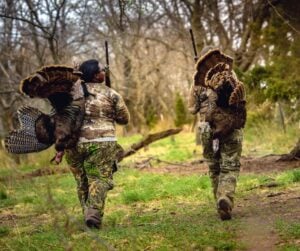
There she was in my sights. I took a deep breath, exhaled, and held steady before finally sending the shot. The sound that followed was sharp and distinct, reminiscent of a baseball smacking into a glove, with a cloud of dust erupting in the aftermath. For a split second, doubt entered my mind. As I began to wonder if I had hit her, she sprung to life running approximately 200 yards before finally going down. It was in that moment that I realized that I had successfully taken my first elk.
Nurturing a Growing Interest Despite Facing Hurdles
At the time of my first successful elk hunt, I had only been hunting for around four years. Some may jokingly refer to this as adult-onset hunting, but better late than never! Having grown up around guns, hunting, and fishing, the interest was always there, but pursuing that interest took quite some time. I belong to a few gun clubs in my area, where I have had the opportunity to speak with many avid hunters, all of whom happened to be male, as there weren’t any female club members interested in hunting. Unfortunately, I was unable to join them hunting for one reason or another, whether it be a “family” event or simply the hunter’s significant other being uncomfortable with her husband hunting with another female. Finding a mentor is one of the biggest barriers for new hunters, especially those who take up the hobby as adults. It would be a lie to say that I wasn’t envious of others who grew up surrounded by family to learn from and share the overall hunting experience with.
The Moment Things Began to Change
I shared my frustration with my friend Gary from Arizona. Having hunted small game since he was four and big game since about fourteen, Gary has successfully filled every one of his tags for the past 33 years. Anyone who knows him will say, “If there’s an animal out there, Gary will find it”. In 2022, I spent the week in the Bradshaw Mountains of Arizona with Gary and his daughter for her youth deer hunt. It was here that my thirst for knowledge began to be quenched, as Gary so graciously began teaching me the ins and outs of hunting. Long story short, I was hooked. As a challenge to myself and to keep learning as much as I could, I applied for elk tags in Arizona the following year. While I unfortunately didn’t draw tags for that year, I was able to find a guide in Oregon with depredation tags. From there on out, my luck began to change, as I drew tags in Arizona for the next two years and, most recently, drew antlerless elk tags for Arizona again in 2027. Every year I go on these hunts, I always return having learned something new. That’s one of the benefits of having a mentor, as they provide ongoing learning opportunities, keeping you engaged with what they are saying, not to mention what you learn just by watching how they conduct themselves on a hunt. Remember, you aren’t going to learn everything you need to know on your first outing. Your mentor has been doing this for a long time, and becoming the best you can be isn’t something that can be rushed. The first year I spent learning how to identify tracks, determine their age, learn which direction they were traveling, and whether they were from a bull or a cow. The following year, we focused on the unique ways in which weather and moon cycles can impact your hunt. This past year, we had many more interesting conversations about the effects of the moon and how to locate animals amongst the trees and brush.
Important Qualities to Look for in a Hunting Mentor
Your mentor can play an important role in helping you learn exactly what makes a specific area a “good hunting spot” likely to produce successful results. They can also advise on what species can be hunted in that location, or advise on alternate hunting grounds if it comes down to it. Hunting out of state brings a whole other set of considerations, which they’ll either guide you through or refer you to another person or organization if required. In my home state of Oregon, we typically hunt bulls, though a depredation tag could be issued for a cow. In Arizona, you have the choice of choosing either a bull or cow tag, with your likelihood of drawing a cow tag typically more likely than that of a bull. On my first successful elk hunt, which I spoke about earlier, I prioritized wanting to. fill my freezer, so I chose a cow tag.
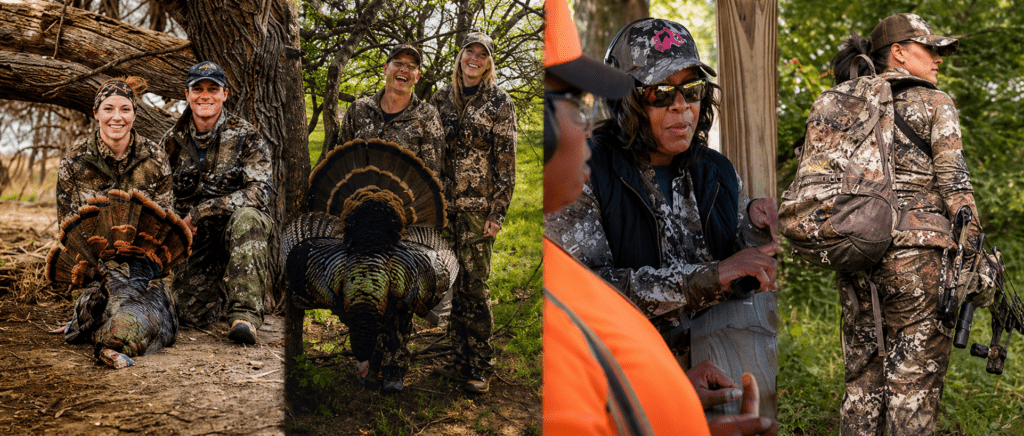
Having a good rapport with your mentor makes the experience more enjoyable and often leads to a lifelong friendship. The mentor must be passionate about what they do and eager to pass on the knowledge, gun safety, and ethical hunting practices they’ve been using for many, many years. Remember, when a mentor takes the time to teach you the skills involved in hunting, it will likely take time away from the time they have for hunts of their own. Always show appreciation for the time they do provide. If you’re having trouble finding a mentor, check with organizations such as the Rocky Mountain Elk Foundation, various state programs, Backcountry Hunters & Anglers, local clubs, and even your local Fish and Wildlife office. Hiring a reputable guide service is another option, and it was the route I took for my first elk hunt. My eldest son had recently shown an interest in hunting, so I asked the guide if he could join us and learn alongside me. An additional fee was charged; however, it was justified given the value received.
The Importance of Setting Goals & Giving Back
Goal setting is important because you don’t want to risk your progress and skill advancement becoming stagnant. This year, my goal is to join the Rocky Mountain Elk Foundation and the Oregon Hunters Association, and I look forward to meeting more hunters in my own state. If you are currently seeking a mentor, there are many online resources available. IHEA (International Hunter’s Education Association) has an online “Learn to Hunt” program, and the NRA’s American Hunter online has a Guide to Hunting Mentor Program. There are quite a few Facebook groups geared toward hunting, many of which are “women’s only” providing a supportive space to learn, ask questions, and build a community of fellow ladies with shared interests. Lastly, don’t forget to check out your local Library for additional resources, and peruse YouTube for educational videos and informative podcasts in the hunting genre.
Forever Thankful
I am thankful for my friend and mentor, Gary. He knows my limits, when to give me a nudge, and knows my ability sometimes more than I do. Just like hunting, finding a mentor takes time and patience. One last thing to keep in mind: be sure to pay it forward. Volunteer or mentor someone else to keep the sport alive. There is always someone who wants to learn and may not know where to look.