





















Long-range precision shooting is all about combining knowledge, good equipment, and practice. It’s more than just hitting a target far away—it’s about learning how your gear works, understanding the environment, and building your shooting skills. Whether you’re new to shooting or ready to take your skills to the next level, this guide will help you get started.
What is Long-Range Shooting?
Long-range usually means hitting targets 600 yards or farther. Extreme long-range (ELR) starts around 1,000 yards. The farther the distance, the more things like wind, gravity, and air pressure affect your bullet. Learning how to handle those factors is key to successful long-distance shooting.
Understanding Ballistics for Long-Range Accuracy
Ballistics is how bullets move through the air. When shooting long distances, you need to think about:
- Muzzle velocity: how fast the bullet leaves the barrel
- Ballistic coefficient (BC): how well the bullet moves through the air
- Gravity and wind: both pull or push the bullet off course
- Weather conditions: things like temperature and air pressure change how a bullet flies
Tools like ballistic apps and dope cards (your shooting notes) help make accurate shots at extended ranges.

Choosing the Right Long-Range Shooting Equipment
Your gear matters a lot in long-range shooting:
Essential Rifle Components
- Rifle: Choose one built for accuracy, with a good barrel and action
- Scope: Get a clear, adjustable scope—first focal plane is a good option
- Ammunition: Match-grade ammo gives more consistency
Support Equipment
- Bipods for stable shooting positions
- Rear bags for additional support
- Rangefinders for accurate distance measurement
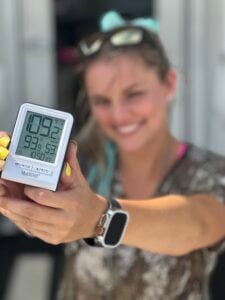
- Weather meters for environmental data
Master the Fundamentals of Marksmanship
Even in long-range shooting, basic marksmanship matters:
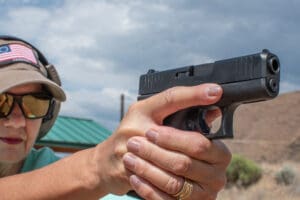
- Use a stable shooting position
- Control your breathing and trigger pull
- Follow through after each shot
Practice these skills often, even without live ammo, to build muscle memory and consistency.

Keep Good Notes: Creating Effective Dope Cards
A dope card is a simple chart with all your shooting info—bullet drop, wind holds, etc. Make one using a chronograph(to measure bullet speed) and a ballistic app, then test it at the range. Update it as needed based on real-world performance.
Zero Your Rifle for Long-Range Shooting
Zeroing means setting your scope so your bullet hits right where you aim. A 100-yard zero is standard for most long-range applications. Always re-check your zero if you move your rifle or change conditions.

Advanced Long-Range Shooting Techniques
Once you’re confident with the basics, you can explore advanced concepts like:
Distance Estimation and Compensation
- Using your scope to estimate distance (milling)
- Adjusting for shooting uphill or downhill
- Compensating for spin drift or earth rotation effects
- Understanding how your first shot from a clean barrel might land differently
Mental Focus and Long-Range Shooting Performance
Your mindset is just as important as your technical skills. Keep track of what works and what doesn’t. Stay calm and focused, especially in new or competitive settings. Mental preparation can significantly impact your long-range shooting performance.

Continuing Your Long-Range Shooting Education
Training and Practice Options
- Take a class on long-range shooting
- Try a local match or competition
- Watch instructional videos and read specialized books
- Connect with other precision shooters for knowledge sharing
Every bit of learning adds up to improved long-range shooting performance.
Safety and Responsibility in Long-Range Shooting
Understand your equipment limitations and environmental conditions
Know what’s behind your target at all distances
Follow range safety rules without exception
For hunters, only take shots you know you can make

Final Thoughts on Long-Range Precision Shooting
Learning long-range shooting takes time, but it’s incredibly rewarding. As you build your skills and confidence, you’ll enjoy seeing your progress—especially when that distant target rings or tears.
Stick with it, keep practicing, and enjoy the journey of becoming a precision long-range shooter. The combination of technical knowledge, quality equipment, and consistent practice will lead to success at extended distances.