















You have just spent hours in the woods, hunting the wild game of your choice, only to shoot, and it runs off into the abyss of the wilderness. This crossroads defines who you are as a person and a hunter. Keep reading as we share why and how this affects you and the choices you make while hunting.
What Does Tracking Wounded Game Really Mean?
You at one point decided to embark on the journey of becoming a hunter, in every facet. You are bright-eyed with the excitement of preparing for the hunt, scouting, setting up cameras, getting up early and even traveling to the location you are ready to stamp with an epic hunting experience. Did you know you have the ethical responsibility to try and find an animal you have wounded and not killed? Let’s touch on the reasons why this is important, to include a broader scope of understanding the responsibility if this happens while hunting.
Animal Welfare
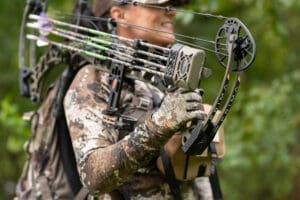
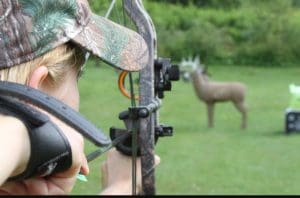
If an animal is wounded and you don’t find it, it could potentially suffer for hours and even days until it is found or eventually dies unharvested. If you ever feel your shot could lead to a wound and not a kill, don’t take it. This particularly goes for bow hunters even more so. Bowhunters have a higher unrecovery rate percentage-wise compared to rifle hunters.
Ethical Hunting
You have a duty to try and make a reasonable effort to find the wounded animal and recover it. To not do this shows a disrespect for wildlife and sport.
Better Hunting Skills
When something like this happens, it is a great opportunity to learn how to track feathers, hair and blood trails. This experience will ignite your education process by helping hunters make better decisions and learn from the experience. Start a small hunting journal, note what happened, and how you tracked the game to its location. This journal will be an educational trail on paper to share with the next generation of hunters in your immediate circle.
Conservation
This is a plain fact of finding the game and harvesting the animal, so it is never wasted.


2 Scenarios of Tracking Wounded Game
Read along as the hunter turns investigator as you follow the direction of where the game went. This process will look extremely different for turkey/fowl vs. deer.
Scenario #1: Deer
That orange sky has sunk behind the hills. You have been sitting in that stand for 4 hours awaiting a deer to come into sight. She walks out of the tree line, and you shoot at a responsible range. The doe fell in the grass, only to get up and run off. Your heart sinks knowing it is now dark and you must be responsible and track this doe. Turn on that headlamp, go quickly to the site of that first spot where she fell down. Look at the amount of blood, so you have an understanding of how wounded the deer is. Then wait about a half hour before you start tracking. Giving her time keeps you from pushing her farther into the woods. An additional flashlight will help you track the blood trail through the woods and trees. After walking 15 minutes you find where she took her last breath and can bring her out of the woods and harvest the meat. Recovery well done.
Note: Many hunters will also choose, if it is dark and rough terrain, to wait until the sun comes up to track the deer, which is also acceptable.
Editor’s note: Before tracking after dark, check the regulations for the state you are hunting in. Some states limit carrying a firearm while tracking at night.
Scenario #2: Turkey
You’re turkey hunting early in the morning and take a shot at a gobbler that you are positive you hit and killed. You saw the turkey jump up and fall to the ground, feathers flying, you got this one. A second later, he flies away not so gracefully, into the thick of the woods. You are shocked it wasn’t a lethal hit. First, go to the location where the bird was hit and look for blood and feathers. Begin following the trail slowly of the direction to where it flew to. Eyes up, eyes down, looking for drips of blood and feathers. After searching for 30 minutes, you don’t find the turkey and realize it will either survive or it will die quietly in the thick of the woods. This hunter will walk out of the woods disappointed for many reasons. The most important part of this example is sharing that the hunter leaves this experience knowing they pursued the ethical responsibility of a hunter for animal welfare, and conservation attempts.
Memorable Tips to Track Wounded Game
- Too many people tracking can lead to a poor result as people can destroy clues.
- The hunter that made the shot is always first on the trail to track.
- After the shot, wait about a half hour before you begin tracking.
- If you are on a difficult trail, carry small pieces of toilet paper or bright tracking tape.
- If darkness has fallen, many hunters will return at sunup to track the game.
- Always check the regulations for the state you are hunting in, including rules on tracking after dark, using tracking dogs, and following game onto private property. You need the landowner’s permission before crossing onto their land.
- Several states have bans or restrictions on deer tracking with dogs, ensure you check the regulations in the state you are hunting in for the most up to date regulations.
- Bright red, frothy blood indicates a lung or heart hit; recovery could be within 300 yards.
- Dark red or brown/green matter points to a liver or stomach hit, and this could be a longer recovery.
- Don’t walk on bloody tracks to preserve the line you are trailing.
- Don’t ignore thick cover and downed treetops where game hide.
Must Have These Things with You
Tracking wounded game has already been experienced by some of you. For those reading and preparing to start hunting, this article has helped you get a head start on how to be prepared and know how to spring into action if it does. You can’t choose to enter the arena of hunting and not understand the critical and ethical responsibility of tracking wounded game.
To track wounded game safely and effectively, carry:
- Compass
- Flagging tape
- Headlamp
- Flashlight
- Rubber gloves
- Game bags or drag rope
Resources
- Hunter-Ed Trailing Guide: The official hunter safety education platform provides highly scannable, step-by-step guides on reading blood signs and executing circular search patterns if you lose a trail.
- GOHUNT Recovery Tips: Offers deep-dive tactical articles regarding backcountry meat preservation and tracking wounded big game across rugged terrain.
- HUNTINGsmart! Knowledge Base: Provides excellent digital breakdown articles detailing how to read physical clues like morning dew lines, bone fragments, and specific hair types.