











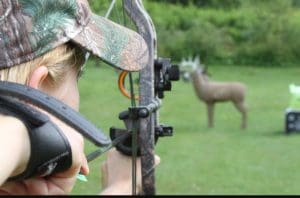











Whether you are an avid hunter or a recreational archer, taking care of your equipment is the first step in being a successful archer and extends the lifespan of your equipment. You may be the best archer on the planet, but without equipment upkeep to keep your equipment in proper working order, you might as well stay at home and skip that outing with your bow. That is where regular bow maintenance comes in.
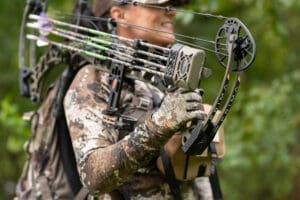
A compound bow has a unique system of finely tuned movable parts that make it a highly efficient machine, from the cables and strings to the cams and limbs that tie it all together. Just like any fine-tuned machine, it will routinely need a check-up. Instead of taking your bow in for that check-up, there are many things you can do at home to ensure a long life for your bow.
Speaking from personal experience, I check my equipment regularly. There is nothing worse than being on a big hunt when something goes wrong with your equipment. Do not get me wrong, things are going to happen that are out of your control. However, doing your part will help you have a more positive experience.
Bowstrings and Cables
The bowstrings and cables take the most abuse. For every shot that is made from the bow, the hardest-working components are the bowstrings and cables. This makes them the most susceptible to wear and tear. And never dry fire your bow (release the string without an arrow nocked). It can severely damage your bow and injure you.


Waxing
Waxing your string helps maintain its flexibility, durability, and resistance to the elements that you will be putting it in. You should apply a high-silicone bowstring wax directly to the body of the string. Then rub the applied silicone between your fingers and your thumb to warm the wax up so it will melt deep into the individual fibers of the string.
Avoid Waxing the Serving
Try to avoid applying wax directly to the center serving or to the areas of the strings that wrap around the cams. This can cause the string to slip or leave a sticky residue on the moving parts.
Replacing Strings
Although you may religiously wax your strings, they will need replacing over time. After close inspection of your strings, if there are any signs of significant fraying, dry spots, or if you have been shooting the same strings for a couple of years, it is quite possible it is time for a new set of strings. Replacing strings and cables on a compound bow requires a bow press, so if you are not familiar with installing your own replacement strings, be sure to visit a pro shop to have them do it. Keeping your bowstrings in spec is especially important to your bow’s performance.
Limbs and Risers
The riser and limbs of your bow form its structural backbone.
The riser of your bow is one of the easiest parts of the bow to maintain. To clean it, you simply use a soft cloth and water if needed. It is never recommended to use harsh chemicals on your bow. They can really degrade the finish or weaken the material.
Limb inspection can be very tedious; however, if you use a cotton ball, the cotton will catch on any snags that you may have on the limbs. If a snag is detected, this could be a sign of a hairline splinter or crack. You should not shoot your bow and should replace the limbs. Limb replacement also requires a bow press, so it is best left to a pro shop. If you are uncertain if it is truly damaged, take it to a pro shop and have their bow technicians inspect it for you.
Cams and Mods
Your bow is a sophisticated system of cams, axles, and wheels that control your draw cycle and arrow speed.
Cleaning your cams from time to time will ensure they stay free of dirt and dust buildup. You can use a soft brush to sweep away debris from the grooves. You should always check your mod and cam screws to make sure they are tight.
Storage
How you choose to store your bow is a personal preference. Bows are made of varied materials that are susceptible to harsh elements.
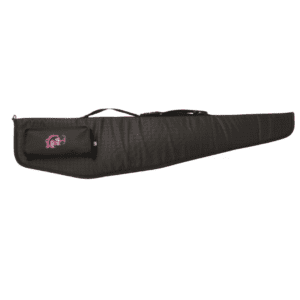
Some people like to store their bow in a case. Whether it is a soft case or a hard case, it will protect your equipment while it is being transported.
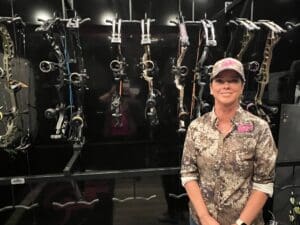
Wall racks are also useful to hang your bow out of the way while it is not in use. You should always make sure it is not hung in direct sunlight, so it does not get too hot.
Regardless of how you store your bow, it is best to store it in a climate-controlled room. Try to avoid leaving it in a hot vehicle, a damp basement, or an unheated garage. Extreme heat causes strings to stretch and can cause limbs to crack. High humidity can cause the metal cams and limb bolts to rust.
Maintaining your bow is a simple task that does not take long to do. Each piece of your archery equipment plays its own specific role in you being a successful archer. Performing regular inspections will allow you to address any issues you may have with your equipment.