

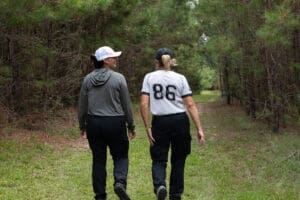






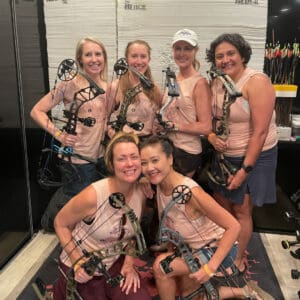


Have you ever watched another woman at the range and thought, I’d love to learn from her? Maybe it’s her skill, her confidence, or the way she encourages others. Sometimes, we recognize something in another person that inspires us to become better ourselves.
Here’s something to think about: if you’re a parent, grandparent, aunt, sister, or friend, you’re already a mentor to someone. Someone is watching how you handle challenges, treat others, and respond when things don’t go as planned. You may be teaching lessons without even realizing it.
But here’s the flip side: to be a good mentor, you need a mentor of your own. No matter how much experience we have, there’s always someone who can teach us something valuable. A mentor is more than a friend or coach. She’s someone you respect and trust, someone willing to share her knowledge and experience to help you grow—not just as a shooter, but as a person. And sister, you may not have to look very far to find her.


What Makes a Good Mentor?
In my experience, mentorship often begins with friendship. You meet someone who shares your love of shooting, strike up a conversation, and discover you have more in common than you expected. As the friendship grows, you learn each other’s strengths and weaknesses. Before long, you may find yourself turning to her for advice and perspective. No formal agreement required—just a relationship built on trust.
Of course, being friends isn’t enough. A good mentor has integrity, practices what she preaches, takes safety seriously, and treats others with respect. She knows her strengths but is humble enough to admit when she doesn’t have all the answers.
She’ll also tell you the truth, even when it stings a little. If you’re repeating the same mistake in competition or letting frustration get the better of you, she won’t simply tell you what you want to hear. She’ll offer honest feedback because she wants to see you improve. The difference is that she corrects you with respect, never to embarrass you or make herself look better.
Look for someone whose personality complements yours. If you tend to overthink, she might help you simplify your approach. If you’re impatient, she may remind you to slow down. A good mentor recognizes your potential, helps you work through your weaknesses, and celebrates your successes without jealousy.
And don’t assume she has to be the best shooter around. Being an excellent competitor and being a good teacher are two different things. Don’t let age determine who you learn from, either. A mentor may be older or younger than you. What matters is her experience, character, and ability to help you grow.
Know What You Want to Learn
Before searching for a mentor, think about your goals. Are you building confidence with the fundamentals, preparing for competition, improving consistency, or working on your mental game?
Knowing what you want to accomplish helps you find someone whose experience fits your needs. A seasoned competitor might offer valuable match preparation advice, while a patient, knowledgeable shooter could be just the person to help you strengthen your foundation.
You don’t need a detailed plan for the next five years. Just have an idea of where you’d like to go. And remember, you can be a mentor to someone else while still being a student yourself. We all have room to grow.
Where Do You Find Her?
If you’re a woman looking for a mentor, consider joining a women’s shooting group at your local range. It’s a wonderful way to connect with like-minded women who understand your interests and may have faced some of the same challenges. You might discover a shooting sister who has the experience you need, shares your values, and genuinely wants to see you succeed.
There’s something special about learning from another woman who understands where you’re coming from. She may have navigated challenges you’re facing now or learned lessons she can help you avoid learning the hard way.
Local matches, range events, volunteer opportunities, and shooting organizations are other great places to meet potential mentors. Pay attention to how people treat others, particularly newcomers. Good sportsmanship, patience, and kindness often reveal more about a person than her scorecard.
When someone catches your attention, start a conversation. Ask how she got started, what she’s learned along the way, or what advice she’d offer someone with goals like yours. You don’t need to ask, “Will you be my mentor?” on the first meeting. Let the relationship develop naturally.
Listen to her advice, put it into practice, and share how it goes. Give the friendship time to grow. Not every connection will turn into a mentorship, and that’s perfectly fine. Sometimes the best mentor is someone who begins as a friend and becomes a trusted guide along the way.


Be Willing to Learn—and Give Back
A good mentorship takes effort from both sides. Be willing to ask questions, accept constructive criticism, and put what you learn into practice. Respect your mentor’s time, too. She can offer guidance, but your progress ultimately depends on what you do with it.
And remember, mentorship isn’t a one-way street. One day, you may be the woman another shooter looks up to. You don’t need a wall full of trophies or a national title to make a difference. Your experience, character, and willingness to help may be exactly what someone else needs.
Whether you’re mentoring a daughter, granddaughter, niece, sister, friend, or another woman at the range, your example matters. The way you encourage her, share your knowledge, and respond to her struggles can make a lasting difference. And when you need guidance yourself, don’t hesitate to reach out to someone whose wisdom and character you admire.
Galatians 6:2 reminds us to “bear ye one another’s burdens.” That spirit of encouragement reaches beyond the range. When we share what we’ve learned, support one another through challenges, and celebrate each other’s growth, we strengthen more than our shooting skills—we strengthen our community.
So, think about what you want to learn and reach out to someone who inspires you. Look for a woman who will challenge you, tell you the truth with kindness, and cheer you on when you succeed.
The right mentor won’t just help you become a better shooter. She’ll inspire you to become the kind of woman who lifts another shooter up, too.
Sometimes, it all begins with a simple hello.