






















“How do I dry fire?”
I get asked that question a lot. Then usually comes the follow-up: “What exactly does dry fire mean?” or “What do I need to dry fire at home?” The good news is that the answer is much simpler than you might think. You don’t need a garage full of expensive equipment, a dedicated training room, or hours of free time. In fact, one of the things I love most about dry fire is how easily it can fit into your life.
If you’ve been trying to improve your shooting but feel like you’re not making much progress with live fire alone, dry fire may be the missing piece. When I first started my own shooting journey, I dry fired almost every day for months. I wasn’t spending hours doing it, either. I was simply getting in consistent, focused practice, and looking back, I think that consistency made a tremendous difference in how quickly I progressed. That’s what dry fire can give you: an opportunity to practice a skill repeatedly without needing to make a trip to the range every time you want to work on something.
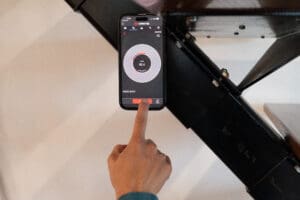
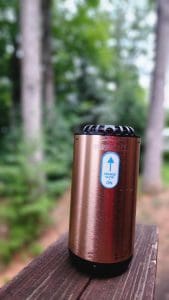
Editor’s Note: At Shoot Like A Girl we partner with Mantis, it’s available at Bass Pro Shops, and if you purchase from this link we may receive a small commission.


So, What Is Dry Fire?
Simply put, dry fire is practicing with an unloaded firearm without live ammunition. It allows you to work on certain skills and movements without the noise, recoil, and expense of live ammunition. Of course, safe dry fire starts with a safe environment. Before beginning, live ammunition should be completely removed from the practice area, and you should follow your firearm manufacturer’s instructions regarding dry-fire practice and appropriate inert training equipment. I prefer a room with a lockable door where I can control the environment and know I won’t be interrupted.
For me, that happens to be the bedroom. I have a small target taped to the wall and a dedicated area where I can concentrate. Sometimes I’ll use my normal holster setup. Other times, I’ll grab a TV tray and use it to simulate the “bench” I might have at the range. Then I get to work, and this is where I think people sometimes make dry fire harder than it needs to be.
You Don’t Need Hours
When we think about training, we tend to imagine spending a lot of time doing it. If you played sports in school, you know what I mean. You practiced until you were sweaty and tired, and sometimes until you were so frustrated you wondered if you were actually getting any better. “No pain, no gain,” right? Dry fire doesn’t have to be like that.
When I dry fire, I usually set aside ten to fifteen minutes. I pick one thing I want to work on, and that’s what I practice. Maybe I’m working on getting my dot onto the target more consistently, making my presentation smoother, or working on trigger control. I don’t think you need to spend an hour trying to improve everything at once. You’re better off choosing one area, concentrating on it, and giving yourself the opportunity to do it well.
If you’re learning something new or you’ve made an adjustment to your technique, dry fire is also a great place to work through that change before you head back to the range. You can concentrate on the movement itself without also trying to manage the noise and recoil of live fire. And ten or fifteen minutes is something most of us can find, even on a busy day.
Dry Fire Can Be Surprisingly Convenient
This is one of my favorite things about dry fire. It doesn’t require perfect circumstances. I’ve actually dry fired in my underwear. Yes, really.
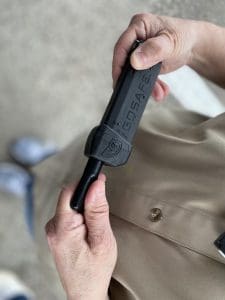
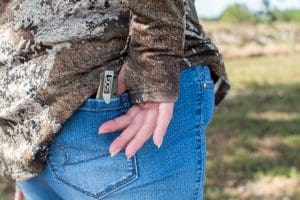
One of the instructors I train with regularly calls these “underwear drills,” and I thought the name was pretty funny, so I adopted it. The funny part is that I was already doing this before he gave it a name. When I was first working with my Enigma, I needed to become comfortable getting in and out of it without my shirt getting in the way or the whole setup getting buried underneath my pants. So after a shower, I’d put it on before getting dressed and spend some time practicing.
Was it glamorous? Not exactly. Was it useful? Absolutely. And that’s the point. Dry fire can fit into real life. You can practice before work, after work, on a rainy afternoon, during a holiday when the range is closed, or on one of those days when everything else seems to have gone sideways. You can do it in your business clothes, your pajamas, or, apparently, somewhere in between.
You don’t need expensive training gadgets, either. Those tools can certainly be useful, but they aren’t a requirement. Sometimes you just need a safe place, a target, your unloaded firearm, and a plan.
Make It Something You Enjoy
Dry fire doesn’t have to feel like homework. One of my favorite ways to practice is with music playing in the background. There’s something about having music on that relaxes me. Instead of feeling like I’m standing there thinking, I have to train now, I can settle into the session and work on what I’m trying to improve.
I’ll sometimes choose a song with a steady beat and use the rhythm to help establish a smooth pace. I might start slowly and count the beats out loud before gradually increasing the challenge. The goal isn’t simply to go faster. Smooth, consistent practice is far more valuable than rushing through repetitions just so you can say you were fast.
Let Your Phone Be Your Coach
Another tool I use quite a bit with students is video. When someone is struggling with a particular skill, I’ll sometimes record them performing it. There’s something incredibly useful about being able to see yourself instead of simply relying on what you think you’re doing.
You can do the same thing at home. Set your phone up on a stable surface and record yourself during your practice session. Then watch it.
- Does the movement look smooth?
- Are you consistent from repetition to repetition?
- Do you hesitate at a particular point?
- Are you doing something you didn’t realize you were doing?
The video won’t lie, and sometimes that’s exactly what we need. We can feel like we’re doing something one way when, in reality, we’re doing something completely different. Seeing it on video gives you something concrete to work with instead of guessing, and recording yourself again a few weeks later gives you a great way to see your progress.
Start Simple, Then Build
If you’re brand new to dry fire, don’t feel like you have to jump into complicated drills right away. Start with the fundamentals your instructor recommends and become comfortable with the process. As those skills become more natural, you can gradually add another element.
That’s important for beginners, but it’s also something experienced shooters should remember. We sometimes get so excited about improving that we want to change everything at once: new equipment, new technique, new drill, faster time. Slow down and pick one thing. Work on it until you understand what you’re trying to accomplish, and then build from there.
That’s really the secret of dry fire. It’s not that one ten-minute session is going to transform you into a completely different shooter. It’s what happens when you repeat those ten minutes consistently over time.
Give Yourself the Opportunity to Improve
We all start our shooting journey from a different place. Some people are brand new. Some have been shooting for years. Some shoot recreationally, while others compete. Your goals may be completely different from mine, but the need for quality practice doesn’t change.
You don’t always have the money for another range trip. You don’t always have the time. You may be dealing with a busy season at work, family responsibilities, bad weather, or just life being life. That doesn’t mean your progress has to stop.
Create a safe space, pick one skill, and give yourself ten or fifteen focused minutes. Make it enjoyable, then do it again a couple of days later. You might be surprised at what those little sessions add up to. You don’t always need more ammunition to get better. Sometimes you just need a little time, a little consistency, and a plan.
Dry fire today. See the difference the next time you shoot.